
Audit.
Identify inconsistencies, gaps and exposures in operational data while retaining the origin of the evidence.


Technology and intelligence / Taylor Made Only
ATLAS ONE connects real company data, finance, operations, markets, documents and risk within a decision-making structure.
Taylor leads tailored implementation, starting with the decisions that need support and the information available.

The starting point
The information exists, but it is distributed across systems, spreadsheets, documents and people. The challenge is to turn it into a decision that can be compared, explained and executed.
Identify inconsistencies, gaps and exposures in operational data while retaining the origin of the evidence.
Assess economic, operational and capital alternatives, with their risks and conditions for proceeding.
Bring together what is substantiated, what is missing and the next step. The decision remains human.

Business presence and information
Public presence, evidence and responsibilities organised for commercial dialogue. A reading on preparing the company for international relationships.
Digital business. International trust.

The platform
Company, project and period put the analysis into context. The Decision Desk brings together alternatives, evidence and conditions for proceeding.

The screens present a visual reference; features and integrations depend on the implementation scope.
Company, project and period identify the analysis and guide navigation.
Alternatives, sources and gaps inform the assessment of the decision.
Risks, dependencies and next steps accompany the human decision.
How it works
The work continues after the choice: monitoring execution, measuring deviations and reconciling results improves the foundation for the next decision.
Documents and financial, commercial and operational records.
Inconsistencies, risks and opportunities identified in the evidence.
Alternatives, economic consequences and conditions for proceeding.
Criteria, limits and owners defined by people.
Execution, deviations and reconciliation between planned and actual results.
The audit is managerial and operational. AI supports investigation and preparation; technical authority and responsibility for decisions remain with specialists and management.
Where it applies
Designed for agribusiness companies with physical operations, significant capital and decisions spanning several areas. The application follows the scope defined with Taylor.
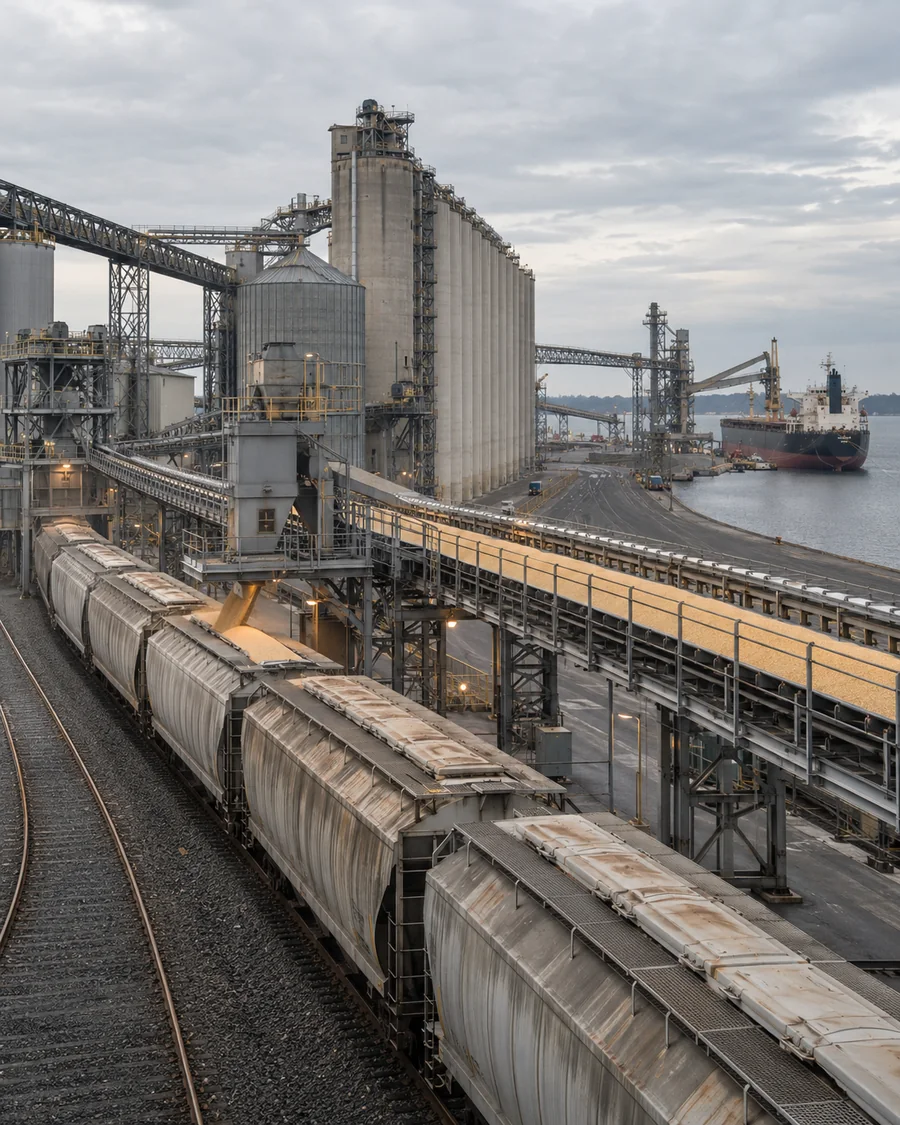
01 / Markets
Commercial alternatives, requirements, exposure and execution conditions within the same analysis.
Explore the Export Program
02 / Operations
Costs, capital, timelines and deviations to guide priorities and responsibilities.
Explore Advisory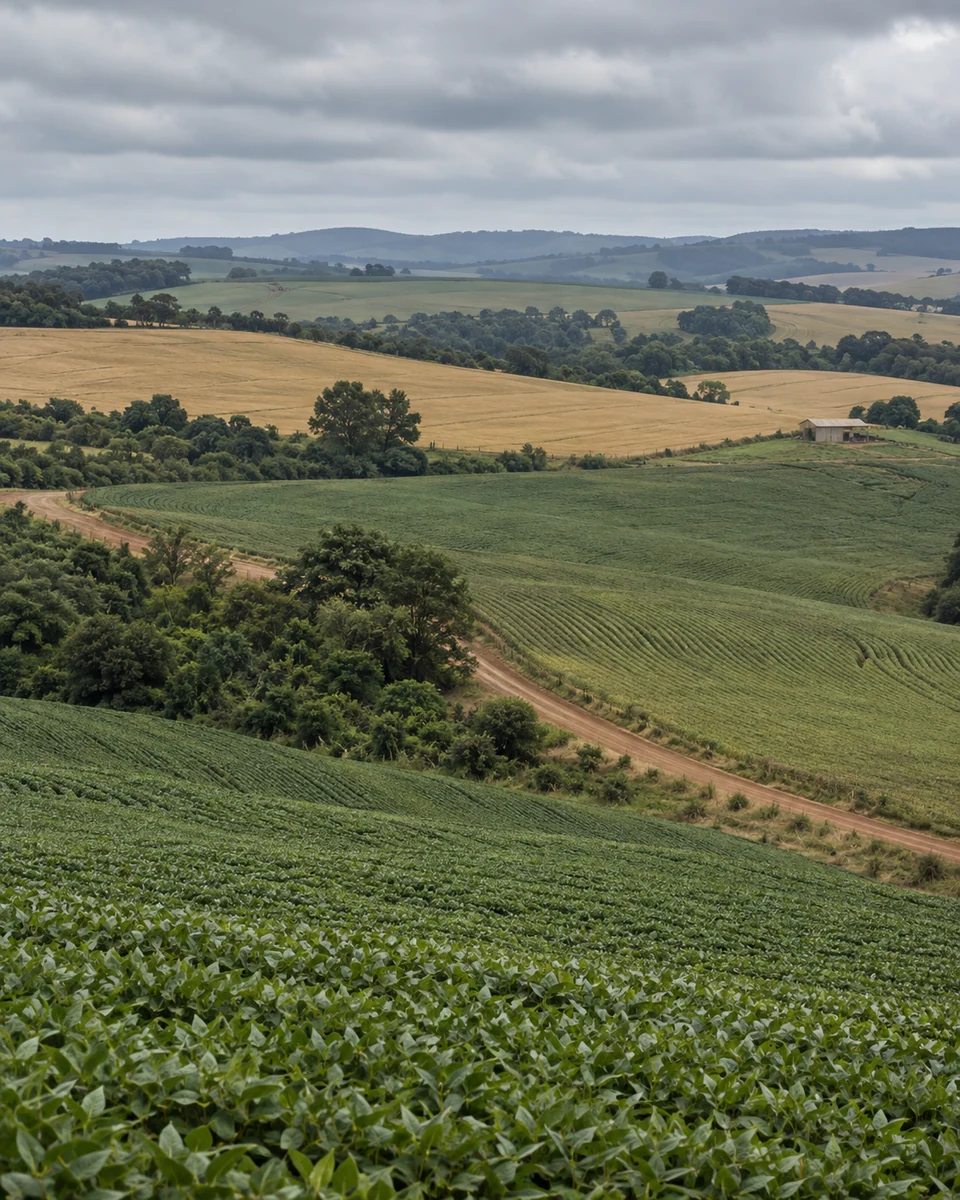
03 / Business and assets
Evidence, risks and alternatives to assess the use of assets and capital.
Explore TransactionsThe 12 workspaces organise the platform architecture. Modules, integrations and access are defined and validated according to the implementation scope.
Tailored implementation
We start with the decisions that need support, the information available and the people responsible.
Scope, deliverables and validation criteria are defined at the outset. Features, integrations and access follow what has been agreed for the project.
Objective, working routine and decisions that need support.
Available information, owners and usage conditions.
Information structure and workflow for a defined scope.
Usage tests, review of outputs and adjustments with those responsible.
Adjust the application according to use and project priorities.
ATLAS ONE / Next step
Tell us about your project's context, the information already available and what the team needs to do with it.
Discuss your project