

IMAT
Preparation and export capability
Prepare the company, offering and team to assess an international transaction against verifiable conditions.
Explore IMAT
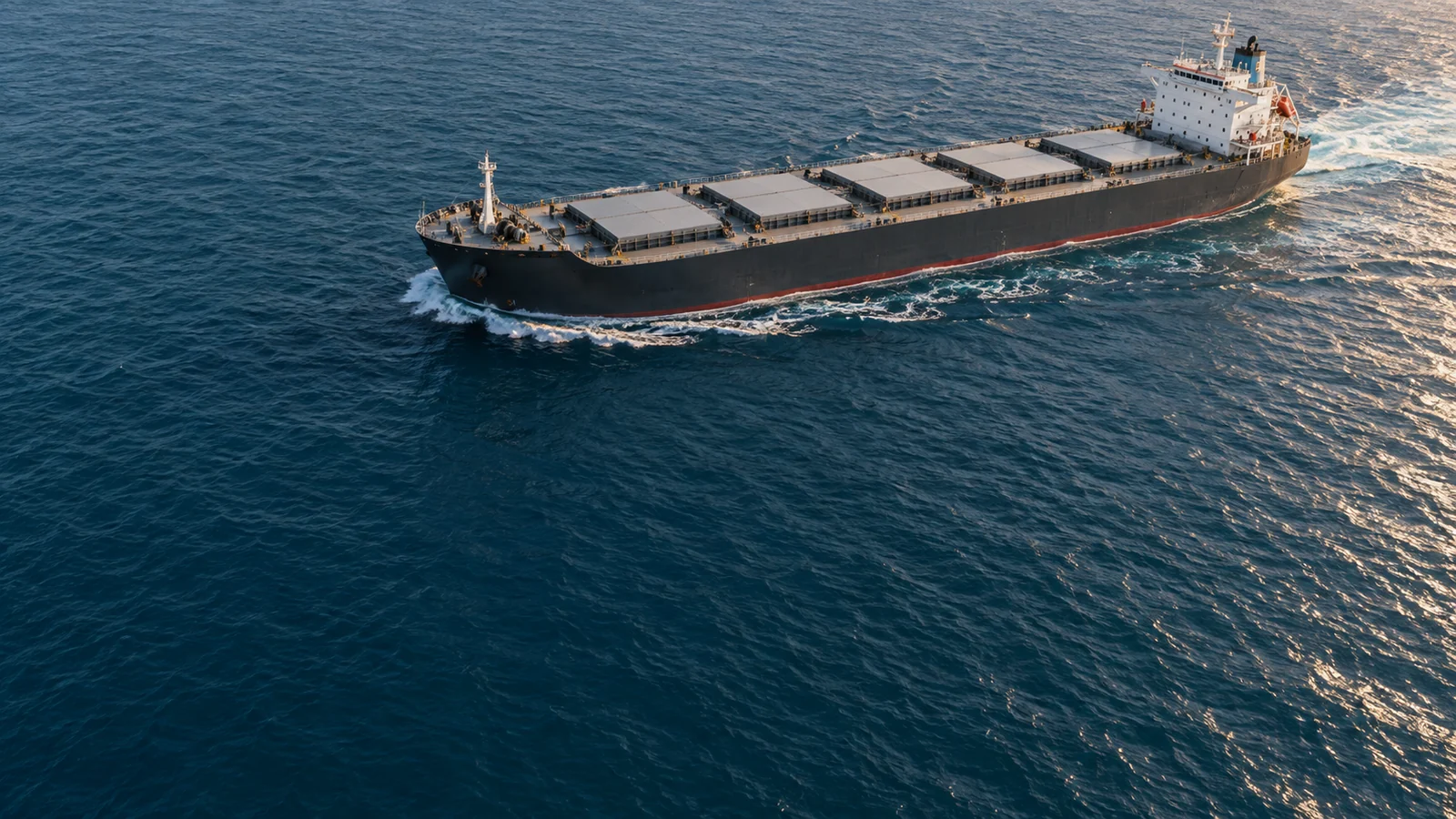
Internationalisation · Export Program · Commodities
We structure commodity exports around your company's experience and resources. Preparation, an approved operation and continuity connected by verifiable conditions.
Discuss your export businessBefore the first cargo
The buyer needs to see the capacity to fulfil orders, verifiable information and people accountable for commitments. Product, price, resources and operations need to come together in the same proposal.
We start with the existing offering, team and resources to organise what needs to work. The financial assessment considers costs, timing, payments, receipts and cash requirements.
Execution follows delivery, documentation, receipts, expenses and reconciliation. The completed cycle creates a record for correcting interfaces and preparing subsequent business.
The Export Program journey
Each advance has its own deliverables and conditions. MESA and the international structure support the project as needed.
01 · Preparation
Build export capability from the existing foundation.
Vessel ReadyReadiness review milestoneExplore IMAT02 · Execution
Coordinate the first approved operation through delivery, receipt of payment and reconciliation.
Separate scope, contract and approval.
Explore Vessel ONE03 · Continuity
Apply what has been learned and develop subsequent business.
Fresh analysis and approval for each opportunity.
Understand continuityPreparation and execution
IMAT builds the foundation. Vessel ONE coordinates the first approved transaction. The proposal sets out deliverables, the company's participation, limits and conditions for activating each workstream.
IMAT
Prepare the company, offering and team to assess an international transaction against verifiable conditions.
Explore IMAT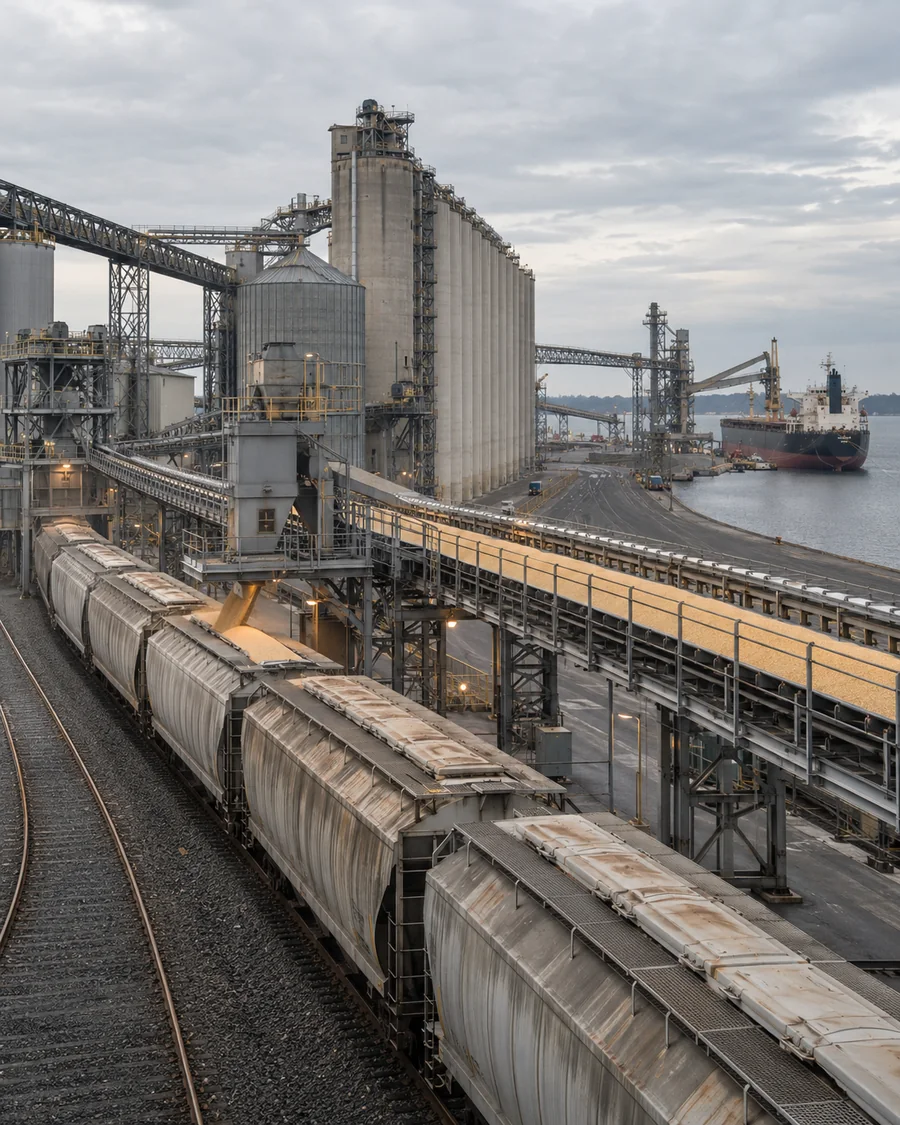
Vessel ONE
Connect commercial commitments, cargo, logistics, documentation and receipts in a coordinated and reconciled cycle.
Explore Vessel ONE
What stays with the company
Tools and deliverables are tailored to the project and the contracted work.
Vessel SCALE · Continuity
Costs, schedules, receipts and incidents allow the offering and fulfilment capacity to be reviewed. Continuity develops buyers, suppliers and new windows under current conditions.
Verify costs, schedules, receipts and deviations in the completed cycle.
Correct the offering, procedures and interfaces between teams.
Qualify buyers, suppliers and new opportunities.
Proceed, adjust or suspend each new configuration.

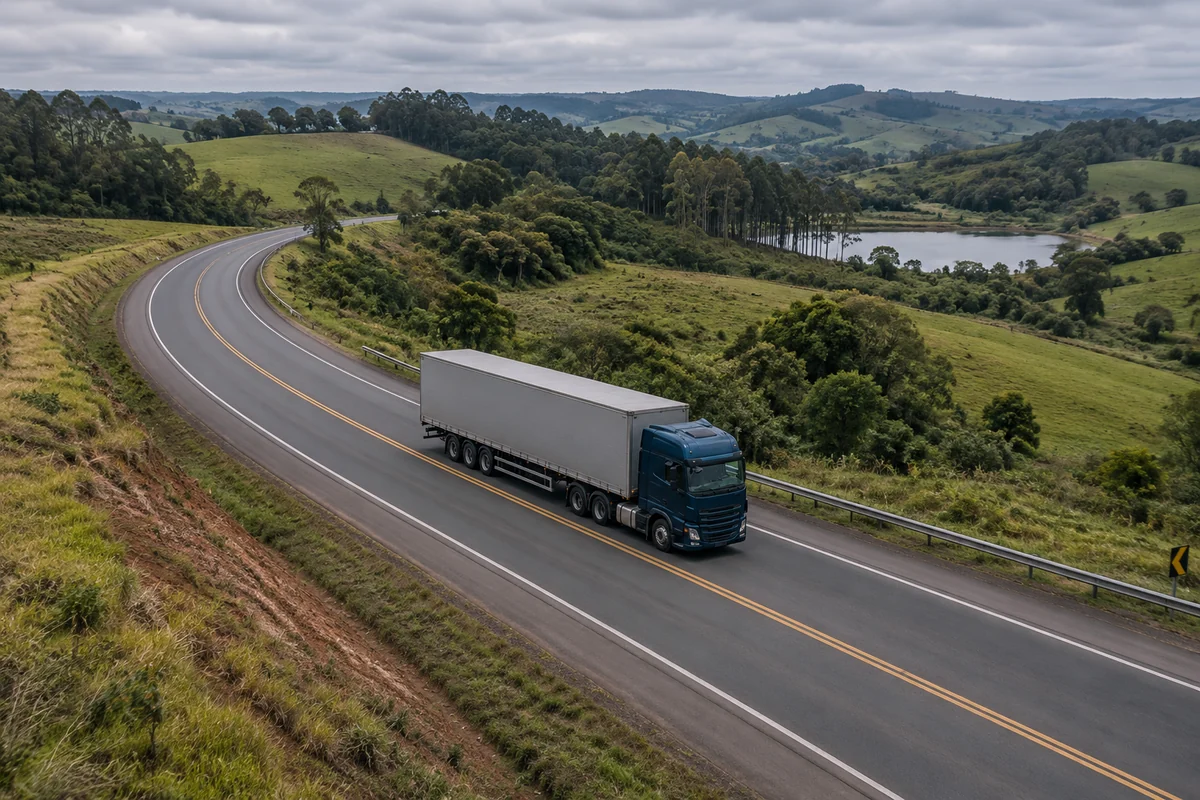
How it starts
Product, capabilities, experience, team and objectives.
Configuration, gaps, deliverables and verification criteria.
Scope, responsibilities, resources and activation conditions.
For clarity
The focus is international commodities business. The product, specification, volume, market and operating model guide the preparation and scope of the project.
The assessment starts with the company's offering and capacity. Volume, transport mode, destination and a reference configuration are determined in light of the business conditions.
These are distinct workstreams. IMAT prepares export capability; Vessel ONE coordinates the first approved transaction. The proposal identifies the contracted workstreams, their deliverables and activation conditions.
The work organises capabilities, develops and qualifies opportunities, and coordinates the contracted activities. Buyers, resources and results depend on demonstrated conditions and formalised commitments. The analysis may support proceeding, adjusting or not proceeding.
Your company approves its commitments. Taylor develops and coordinates within the agreed mandate. The team, counterparties and service providers are responsible for the deliverables and obligations they undertake.
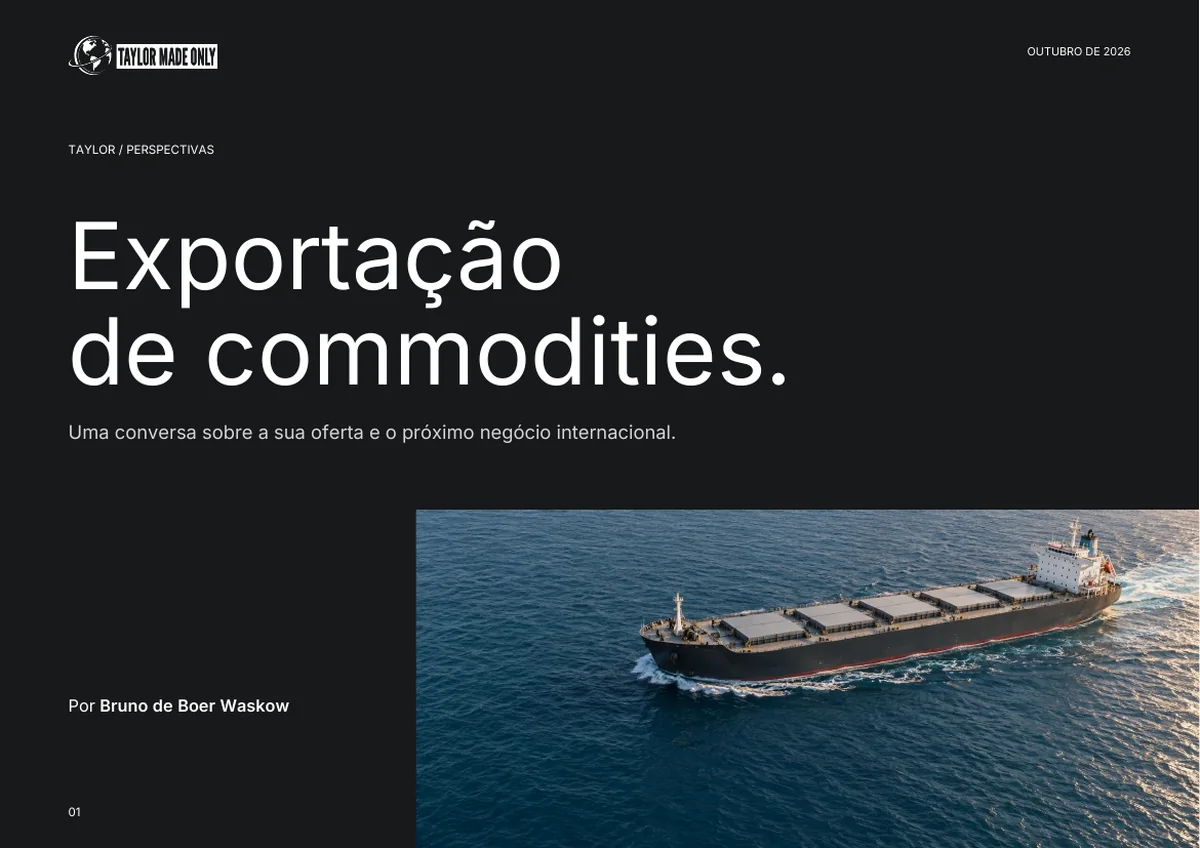
Preparing the next business opportunity
Product, availability, references and fulfilment terms brought together in a report for commodity producers, originators and traders.
Commodity exports

A conversation about your business
Tell us what your company supplies, what it has already organised and where it wants to go. We will define the capability to build and the work required.
Discuss your export business